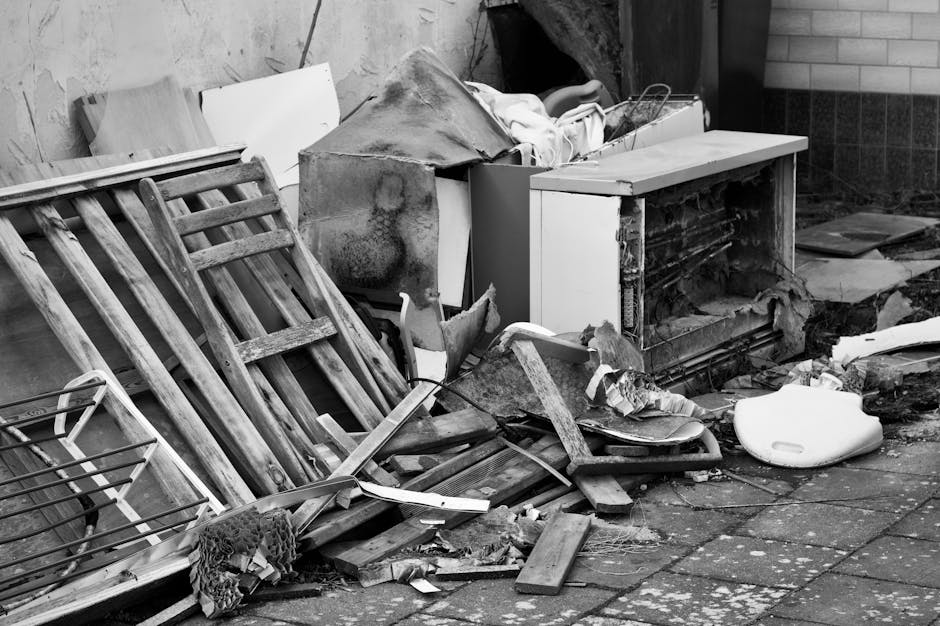
Cranford Broadway house clearance rubbish removal guide
If you are staring at a growing pile of furniture, broken appliances, bagged-up clutter, or the aftermath of a move and thinking, "Right, where do I even start?", this Cranford Broadway house clearance rubbish removal guide is for you. House clearance sounds straightforward until you are actually in the middle of it: the loft is full, the garage is half a storeroom, the sofa is too heavy for the stairs, and there is always one awkward item that does not fit neatly into any plan.
This guide breaks the job down into clear, practical steps. You will learn how house clearance and rubbish removal work, what can usually be taken, where people go wrong, and how to make the process safer, cleaner, and less stressful. Whether you are clearing a whole property, a single room, or just a few bulky items, the aim here is simple: help you make a sensible decision without wasting time or money.
Expert summary: The best clearance jobs are not the fastest ones on paper; they are the ones that are sorted properly, quoted clearly, and handled with care. A little planning goes a long way, honestly.
- Need to clear a whole property? Start with a room-by-room sort.
- Got bulky items? Check access, lifting limits, and disposal options first.
- Want a simpler route? A professional house clearance service can save serious time.
- Looking for broader support? See the wider waste removal options available.
Table of Contents
- Why Cranford Broadway house clearance rubbish removal guide Matters
- How Cranford Broadway house clearance rubbish removal guide Works
- Key Benefits and Practical Advantages
- Who This Is For and When It Makes Sense
- Step-by-Step Guidance
- Expert Tips for Better Results
- Common Mistakes to Avoid
- Tools, Resources and Recommendations
- Law, Compliance, Standards, or Best Practice
- Options, Methods, or Comparison Table
- Case Study or Real-World Example
- Practical Checklist
- Conclusion
- Frequently Asked Questions
Why Cranford Broadway house clearance rubbish removal guide Matters
House clearance is one of those jobs that looks small at first and somehow expands overnight. One cupboard becomes three rooms. A broken wardrobe turns into a full van load. Then there are the bits you forget about until you open the shed: old paint tins, dusty boxes, dismantled shelves, a mattress leaning against the wall, and the inevitable mystery item nobody remembers buying.
A good house clearance and rubbish removal approach matters because it affects more than tidiness. It affects safety, disposal costs, recycling outcomes, and how quickly a property can be made usable again. If you are preparing a home for sale, helping a relative downsize, clearing after tenants leave, or dealing with a long-overdue declutter, the way you handle the waste will shape the whole experience.
In Cranford Broadway and the surrounding area, access can be a real factor too. Narrow hallways, shared entrances, parked cars, and tight time windows can make a simple job feel fiddly. That is why the best clearance plan always starts with the space itself, not just the pile of rubbish. To be fair, the pile usually tells only half the story.
It also matters for sustainability. Not everything should go straight into mixed waste. Furniture, appliances, metals, cardboard, wood, and some household items can often be separated for reuse or recycling. A thoughtful clearance reduces unnecessary landfill and keeps the job cleaner overall.
How Cranford Broadway house clearance rubbish removal guide Works
At a practical level, house clearance rubbish removal is usually a mix of sorting, lifting, loading, and responsible disposal. The exact process depends on the size of the property and the type of items involved, but the general flow is similar.
1. Assess the property
First, take a proper look at what needs to go. Not just the obvious furniture, but also loft contents, garage clutter, broken small appliances, garden debris, boxed items, and anything stored away "for later." That last category is often the biggest surprise.
2. Separate what stays, what goes, and what needs special handling
Create three rough groups: keep, remove, and check separately. Hazardous materials, confidential documents, electrical items, fridges, and certain bulky items may need specific handling. If you have awkward waste, the service pages for hazardous waste disposal and fridge and appliance removal are useful reference points.
3. Decide whether you need a full clearance or just removal
Some jobs are straightforward rubbish removal: a few bags, a broken bed, a sofa that has seen better days. Other jobs are more like whole-property clearances, where the aim is to empty rooms efficiently and leave the space ready for cleaning, decorating, or handover. If you want help with large item disposal specifically, see furniture disposal and mattress and sofa disposal.
4. Load safely and clear in a sensible order
Heavy items usually come out first, but not always. The practical order depends on how the property is laid out. In many homes, clearing the route first makes the rest of the job easier. It is amazing how much difference one clear hallway makes.
5. Dispose, recycle, and document where needed
Responsible removal means more than just taking waste away. It should be sorted for reuse or recycling wherever possible, and handled in line with accepted UK waste practice. If you are looking for a more general overview of disposal routes, the recycling and sustainability page helps explain the approach behind responsible waste handling.
Key Benefits and Practical Advantages
A well-run clearance gives you more than a tidy room. It gives you momentum. And when you are dealing with a property that has become overwhelming, momentum is everything.
- Less stress: Instead of facing the whole mess at once, you deal with it in a plan.
- Safer spaces: Fewer trip hazards, less lifting strain, and less clutter around exits.
- Faster turnaround: Useful if a property needs to be sold, re-let, repaired, or cleaned.
- Better sorting: Reusable and recyclable items are easier to separate when handled properly.
- Cleaner finish: Rooms are left ready for decorating, inventory checks, or deep cleaning.
- Less wasted effort: You avoid multiple car trips, last-minute storage decisions, and half-finished jobs.
There is also a practical financial side. Hiring the wrong skip size, paying for unnecessary trips, or failing to separate items that need special disposal can all increase costs. A clear plan usually works out better. Not always cheaper in every single case, but usually better value overall.
If you are comparing house clearance with other services, it helps to think about the type of waste first. For example, builder's rubble is different from general domestic waste, and office paper shredding is a different beast again. For some homes, the right answer is a blended approach using builders waste clearance, confidential shredding, or more general home clearance support.
Who This Is For and When It Makes Sense
This guide is useful for a surprisingly wide range of people. House clearance is not just for bereavement or major moves. In fact, many requests start with something much more ordinary: too many years of "I'll deal with that later."
- Homeowners preparing to sell, renovate, or downsize
- Landlords needing a property emptied between tenancies
- Executors or family members dealing with a relative's home
- People moving house and wanting to avoid paying to move rubbish
- Tenants leaving a property in a tidy condition
- Anyone with bulky items that are too awkward for normal bins
It also makes sense if you have mixed waste rather than one neat category. A room might contain old furniture, cardboard, broken electricals, a rug, a busted lamp, and a few bags of general clutter. That sort of mix is exactly where a professional clearance can be more efficient than trying to DIY it.
If the job involves a flat with stairs, shared access, or limited parking, it becomes even more useful. In those cases, a coordinated service such as flat clearance can be a much smoother fit than trying to move everything yourself on a weekend.
Step-by-Step Guidance
Here is a practical way to tackle the job without turning it into a weekend you regret.
- Walk through the property and list what needs removing. Write it down room by room. Be specific. "Bedroom" is too broad; "wardrobe, bed base, 4 bags, broken fan" is much more useful.
- Identify anything sensitive or hazardous. This includes paint, chemicals, batteries, sharp items, damaged appliances, and confidential paperwork.
- Measure awkward items and check access. Stairs, door widths, loft hatches, and tight corners matter more than people expect.
- Decide whether items can be reused, donated, recycled, or disposed of. A little sorting up front usually saves time later.
- Get a clear quote or booking arrangement. Ask what is included: labour, lifting, loading, disposal, and any additional handling for special waste.
- Prepare the space. Move pets, clear walkways, and put aside anything that must not be taken.
- Remove in a sensible sequence. Usually from easiest access first, or from upstairs down depending on the layout.
- Do a final sweep. Check loft corners, behind furniture, under sinks, and in cupboards. You would be surprised what gets missed.
A small but helpful habit: keep one "do not remove" zone. Label it, tape it off, or put it in a separate room if you can. It sounds obvious, but in a busy clearance it prevents confusion. And confusion, let's face it, is how things go missing.
Expert Tips for Better Results
If you want the job done properly the first time, these are the details that make a difference.
Keep bulky items at the front of the job list
Big items create bottlenecks. A mattress wedged in a hallway or a wardrobe that needs to be dismantled can slow everything down. If you know a sofa, fridge, or bed frame is involved, plan around it early rather than leaving it for the end.
Separate dangerous or restricted items before anyone arrives
Do not bury batteries, chemicals, or sharp objects under mixed rubbish. It creates risk and slows the job down. If in doubt, flag the item first. It is better to ask than to assume.
Use room-by-room sorting for bigger clearances
This sounds basic, but it works. One room finished is psychologically easier than five rooms half-done. You get quick wins. Very motivating, actually.
Take photos for clarity
For larger jobs, a few clear photos help everybody understand the scale and type of waste. That can reduce misunderstandings about access, volume, and loading requirements.
Ask how reusable items are handled
Not every old chair or table is junk. Some items may be suitable for recovery or recycling. A responsible team should be able to explain how they approach sorting and disposal. If sustainability matters to you, review recycling and sustainability before you book.
Do not overlook small waste
Most people focus on furniture, then forget bags of paperwork, broken kitchenware, or garage odds and ends. These add up quickly. A dozen small items can become the thing that fills the last quarter of the load.
Common Mistakes to Avoid
Most clearance headaches come from a few repeat mistakes. Nothing dramatic, just avoidable stuff.
- Leaving sorting until the day of clearance. That creates delays and higher labour time.
- Assuming every item can go in the same load. Some items need special handling or may be excluded.
- Forgetting access issues. Parking, stairs, narrow entrances, and lift restrictions matter a lot.
- Not checking for hidden items. Drawers, attic boxes, under-bed storage, and shed corners often hide more waste.
- Mixing keep and remove items. This is the classic one. One wrong bag and suddenly there is a problem.
- Ignoring the finish. A clear room still needs a quick final check for nails, screws, dust, and leftover packaging.
Another quiet mistake is underestimating emotional load. Clearing a family home or a long-lived space can be tiring in a way that is not just physical. People sometimes freeze halfway through because the room feels full of memories, not just objects. That is normal. Take a breath, have tea, carry on.
Tools, Resources and Recommendations
You do not need a warehouse full of gear, but a few simple tools make the work smoother and safer.
- Heavy-duty bin bags for loose rubbish and soft waste
- Gloves for grip and basic hand protection
- Mask if there is dust, loft insulation, or old storage debris
- Tape and labels to mark keep, donate, and remove piles
- Measuring tape for large furniture and access points
- Sack truck or dolly where appropriate for heavy items
- Cleaning wipes or a broom for a final pass after removal
For specific item categories, the site's service pages can help you make a better call. If you are dealing with a cluttered garage, see garage clearance. If the loft has become the unofficial archive of the house, loft clearance is the better fit. For outdoor overflow and cuttings, garden clearance may be more suitable.
It can also be worth reviewing payment and booking details before you confirm anything. Straightforward admin is underrated. See payment and security and book online if you want to understand the process more clearly.
Law, Compliance, Standards, or Best Practice
Waste removal in the UK should be handled carefully and in line with recognised good practice. You do not need to become an expert in regulations to make a sensible choice, but you should expect any clearance work to be done responsibly.
In plain English, that means the waste should be collected, transported, and disposed of in a way that avoids fly-tipping, supports recycling where practical, and handles any restricted items correctly. If a job involves electricals, appliances, confidential material, or potentially hazardous waste, the handling should be more cautious still.
A few best-practice points are worth remembering:
- Ask how waste is sorted after collection.
- Check that sensitive items are handled securely.
- Make sure hazardous or awkward waste is identified early.
- Expect clear communication about what is included and what is not.
- Keep documentation or confirmation for your own records where appropriate.
For service providers, insurance and safety matter too. Customers should feel comfortable asking how lifting risks are managed, especially in tight stairwells or awkward properties. If you want reassurance on those points, the pages on insurance and safety and health and safety policy are worth a look.
If the clearance is tied to a move, a tenancy change, or an estate matter, a careful, documented approach is just good sense. No need to make a drama of it. Just do it properly.
Options, Methods, or Comparison Table
There is more than one way to clear a property. The right choice depends on how much waste you have, how awkward it is, and how quickly it needs doing.
| Method | Best for | Pros | Watch-outs |
|---|---|---|---|
| DIY trips to the tip | Small amounts of mixed domestic waste | Low direct cost if you have transport | Time-consuming, heavy lifting, multiple journeys |
| Skip hire | Ongoing renovation or larger mixed waste | Good for gradual loading | Space needed, permit considerations, lifting effort |
| Professional house clearance | Bulky items, full rooms, tight deadlines | Fast, hands-off, efficient loading | Cost depends on volume and item type |
| Specialist item removal | Sofas, mattresses, appliances, hazardous waste | Better handling for awkward items | Not suitable as a catch-all solution |
If you are weighing up skip hire versus a clearance team, it helps to think about effort as well as price. A skip can make sense for a long DIY project, but a professional clearance is often better when the property has lots of furniture or limited access. If you want to understand skip limitations better, what can go in a skip is a useful reference.
Case Study or Real-World Example
Here is a realistic example from the sort of job people often face, without the drama you sometimes see online.
A homeowner in Cranford Broadway is preparing a two-bedroom property for sale. The house is not full, but it has accumulated a lot of the usual things: a worn sofa, a broken armchair, old bedding, a few boxes of books, a fridge in the kitchen, some garden waste, and a loft that has quietly become a storage unit for everything nobody wanted to decide on.
At first glance, it feels manageable. Then they start opening cupboards and find more. Not a crisis, just more than expected. They separate items into keep, remove, and check. The fridge is flagged for specialist handling, the sofa and mattress are grouped, the loft boxes are sorted, and the garden waste is set aside so it does not contaminate the domestic waste load. A service is booked, access is confirmed, and the clearance is done in one organised visit rather than three exhausting weekends.
The main win is not speed alone. It is that the property becomes usable again quickly, without a trail of half-moved items and bin-bag chaos. That calm, finished feeling matters. You can almost hear the room breathing again once the clutter is gone.
Practical Checklist
Use this checklist before the clearance begins:
- Identify every room, loft, garage, shed, and outdoor area involved
- Separate items to keep from items to remove
- Flag hazardous, heavy, confidential, or electrical items
- Measure anything awkward or oversized
- Check access, parking, and stair restrictions
- Decide whether the job is full clearance or just rubbish removal
- Ask about recycling, disposal, and excluded items
- Prepare a clear path through the property
- Keep valuables and personal documents out of the clearance zone
- Do a final sweep after the load is taken away
If you are dealing with a specific room or category, it can help to narrow the scope. For example, a cluttered workspace may be better handled through office clearance, while mixed household clutter might sit better under house clearance or broader home clearance.
Conclusion
A good Cranford Broadway house clearance rubbish removal plan is really about control. You take a messy, emotional, or awkward task and turn it into something manageable. Sort first. Lift safely. Choose the right disposal route. Keep an eye on access, special items, and the final finish.
That is the difference between a clearance that drags on and one that genuinely clears the space, not just the floor. And if you are in the middle of it now, that is all right. Start with one room. One bag. One decision at a time. The rest follows.
Get a free quote today and see how much you can save.
For anyone wanting to understand the service a little better before booking, the most useful next steps are to review pricing and quotes, explore the company background on about us, or get in touch through contact us. Sometimes the simplest conversation is the one that gets the whole job moving.
Frequently Asked Questions
What is included in a house clearance rubbish removal service?
It usually includes collecting and removing unwanted household items such as furniture, bagged rubbish, appliances, general clutter, and other agreed waste. The exact scope depends on the property, access, and the items involved.
How do I know whether I need house clearance or just rubbish removal?
If you have a few bulky items or a limited amount of waste, rubbish removal may be enough. If multiple rooms, lofts, garages, or mixed contents need emptying, house clearance is often the better fit.
Can I leave everything in one pile for collection?
You can, but it is usually better to separate anything hazardous, confidential, valuable, or clearly reusable. A bit of sorting makes the job smoother and helps avoid mistakes.
What items need special handling?
Common examples include fridges, freezers, broken electrical appliances, chemicals, paint, batteries, and confidential paperwork. If you are unsure, ask before the clearance day rather than assuming.
Is it cheaper to hire a skip or book a clearance service?
It depends on the waste type, volume, access, and how much labour you want to do yourself. A skip can suit ongoing work, but a clearance service is often better when the items are heavy, bulky, or difficult to move.
How should I prepare my home before the clearance team arrives?
Keep walkways clear, separate items you want to keep, identify anything sensitive, and make sure the team can access the waste easily. If parking is tight or access is awkward, mention it in advance.
Can furniture be removed during a house clearance?
Yes, furniture is one of the most common things removed during a clearance. Sofas, wardrobes, beds, tables, and chairs are all typical examples, though some items may need dismantling.
What happens to the waste after collection?
Responsible operators will sort waste for disposal, recycling, or other appropriate handling depending on the item type. Reuse and recycling should be considered where practical.
How long does a house clearance usually take?
That depends on the property size, quantity of waste, access, and item types. A small job may take a short visit, while a full house or multi-room clearance can take much longer.
Do I need to be present during the clearance?
Not always, but it can be helpful for the initial walk-through and final checks. If you cannot be there, make sure instructions are clear and that any items to keep are separated properly.
What should I do with confidential documents during a house clearance?
Keep them separate and consider secure disposal. If you have paperwork that should not go into general waste, a dedicated shredding approach is the safer choice.
What if I have hazardous items mixed in with general rubbish?
Point them out before the job starts. Hazardous waste should not be handled as ordinary domestic rubbish, and it needs the right disposal route.
Are there any services that help with specific bulky items?
Yes. If the main issue is one category of item, specialist services can help. For example, furniture clearance is useful when the property is full of large, awkward pieces rather than mixed clutter.
Where can I learn more before booking?
It helps to review service pages such as house clearance, waste removal, and recycling and sustainability. If you are ready to move forward, the booking and quote pages are a practical next stop.